

What is the impact of severe weather on my electric vehicle battery?
Consider it similar to your phone's battery, which gradually loses some of its capacity rather than simply dying one day. According to industry data, the majority of EV batteries only lose between 1.8 and 2.3 percent of their capacity each year, and this rate appears to be improving as battery chemistry and management systems advance. As a battery ages, its capacity gradually decreases rather than abruptly failing. This means that an EV's range gradually decreases every year on a full charge.
Manufacturers have become remarkably adept at slowing down this process. The relationship between your car's battery and charger is measured by charging efficiency. Over time, the efficiency of your battery's charge decreases as it charges more slowly. Your vehicle's battery is not the only thing impacted by external factors such as weather. When discussing battery charging, you'll hear terms like full charging efficiency, half charging efficiency, and fast charging efficiency.
Additionally, if you have an LFP battery, occasionally fully charge it according to the manufacturer's instructions. In moderate temperatures, leave your car plugged in so the battery management system can condition the pack. There are easy methods to take the initiative. For the average driver who charges fully once or twice a week for road trips, the impact is negligible. For everyday errands and commutes, charge to eighty percent; save the full charge for times when you require the greatest amount of range.
Strict testing and sophisticated chemical formulations that withstand wear over time are the causes of this longevity. For context, that's roughly the same lifespan as the engine in a well-maintained gasoline car. Because these battery packs deteriorate gradually and predictably rather than abruptly like a conventional combustion engine component might, owners can make plans without being caught off guard. Industry data indicates that the lifespan of an electric vehicle power source is remarkably robust.
A large number of early adopters who bought their electric cars more than ten years ago are still using them with the original batteries. Before any appreciable capacity loss is apparent, you can probably anticipate a range of 100,000 to more than 200,000 miles. All three methods require different times and different power outputs. BMW i8 The German automaker BMW has a long history of creating vehicles that are reliable and perform well.
The BMW i8 is the ideal vehicle for a difficult road trip. The previous model's performance has been enhanced by each one. Because of this, it's the perfect car for anyone looking for a vehicle that can navigate rough terrain. An EV can cost around 45,000, while a petrol or https://autopowercare.com diesel car will cost between 18,000 to 22,000.
Related products

BATTERY AND ALTERNATOR TESTER

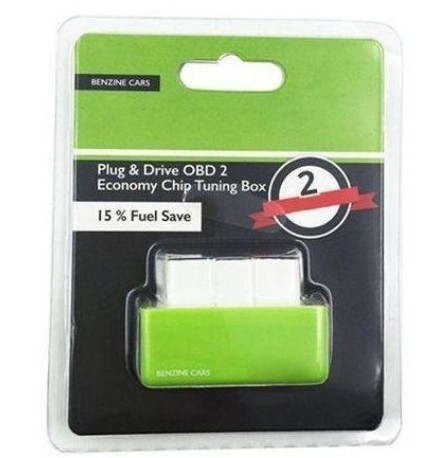
ECO ECONOMY FUEL SAVER OBD BOX

VISION NIGHT DRIVING GLASS

Contact Info
- Address: Nigeria
- Phone: +2348110099981
- Email: kowopestore@gmail.com